
Silver has always had a special place in our hearts for its timeless sheen, versatility and affordability. It has always been a go to choice for casual wear and special occasions where less is more. However, not all that shines is silver. Genuine 925 silver which is also known as sterling silver is the highest benchmark of high-quality silver.
The 925 silver is composed of 92.5% pure silver metal and 7.5% is comprised of other metals depending on the design intricacy and durability required for the product to sustain. Now the question is how to determine if the product is genuine 92.5 silver or not. Don’t worry, we are here to help you out with this concern.
Silver Purity
To accurately identify 925 silver, you must first grasp what it is before delving into the numerous methods of identification. According to the definition of the word, “925” indicates that the object in question contains 92.5% silver.
Copper, accounting for the remaining 7.5% of the metal, is principally responsible for the metal’s mechanical qualities, such as durability and strength. This combination not only provides sterling silver with a distinct sheen but also allows for the creation of intricate patterns. Sterling silver is a precious metal.
Importance of Authenticity
Purchasing authentic 925 silver is essential for several reasons:
- Quality: When compared to lower-quality silver, genuine sterling silver is more resistant to tarnish and has a longer lifespan.
- Value: The value of authentic objects is typically higher than that of replicas over time.
- Hypoallergenic Properties: Due to its hypoallergenic properties, genuine 925 silver is suitable for use on sensitive skin; however, less expensive alternatives may contain potentially hazardous metals.
How to shop for authentic Silver Jewellery
There are more counterfeit and low-quality items as there are more internet jewellery enterprises. There are numerous inexpensive imports available, and many people waste their hard-earned money on these low-quality accessories.
When purchasing 925 sterling silver online, exercise caution to ensure you get the best possible price. So, how can you tell if sterling silver is real? How do you know whether something is authentic sterling silver? Here are some crucial tips to help you locate genuine sterling 925 silver jewellery Wholesale.

Look for Stamp/Hallmark
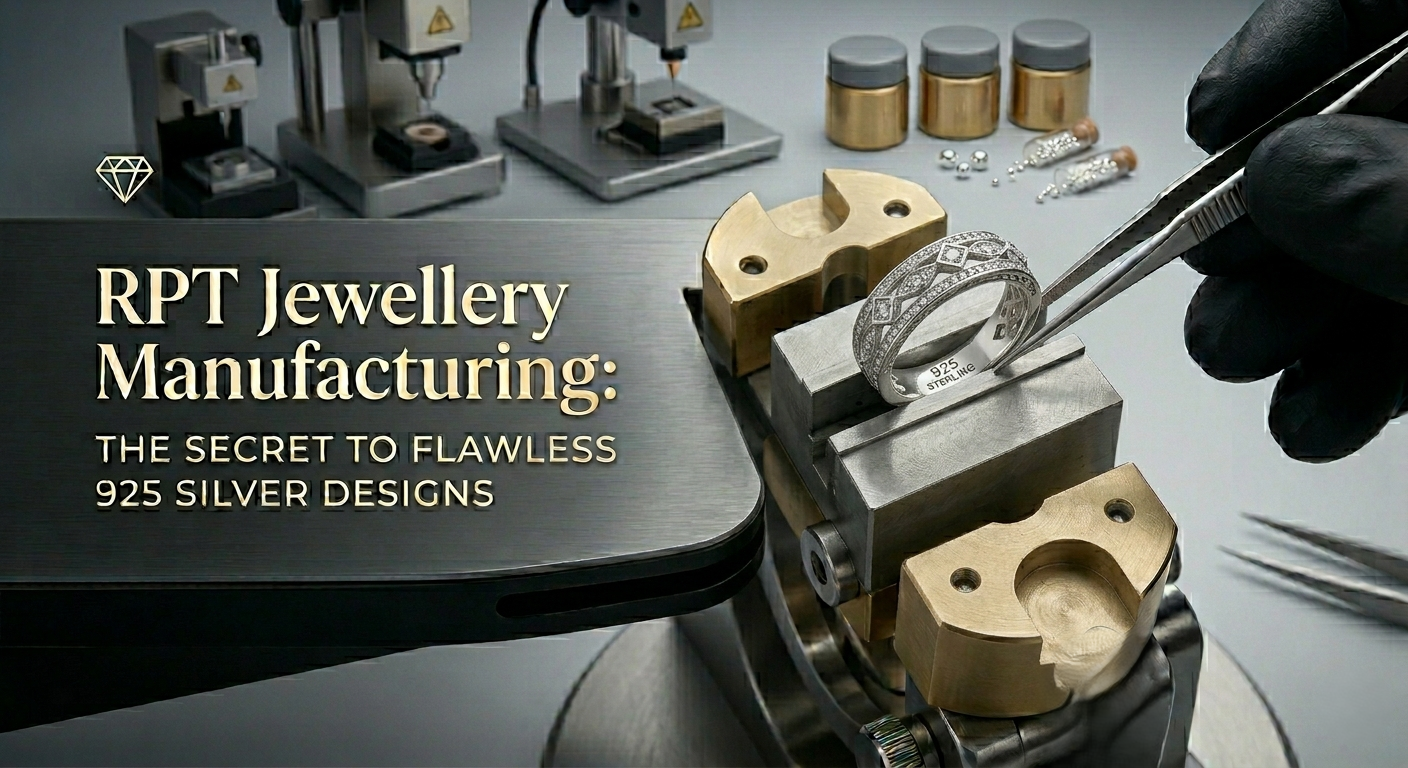
The prominence of sterling silver jewellery has demanded industry-wide product quality standards. While it is difficult to trace the origin of sterling silver used in a piece, you can determine whether the material is genuine by glancing at a small inner inscription on your portion.
Look for a stamp with the markings indicated below. The 925 hallmark is the most important indicator that any piece you want to buy is made of pure sterling silver.
Markings for pure 925 Silver:
- 925 (i.e., the piece is 92.5% silver)
- 925/1000 (i.e., 925 parts per thousand are pure silver)
- 92.5% pure
- STER
- Sterling
- Sterling silver
- SS
- STG

2. The Magnet Test
In most cases, magnets will not cling to sterling silver. Although it contains some copper, the majority of it is silver (92.5%). In addition to not being magnetic, copper does not conduct electricity. Due to the trace amounts of other metals it contains (often less than 8%), sterling silver does not exhibit magnetic properties.
True sterling silver is difficult to discern from imitations that cling to magnets. The next step is to position the magnet adjacent to the item. Sterling silver could be the culprit if it falls off. It is unlikely to be real silver if it sticks.
Things required:
- Refrigerator magnet

3. Ice Cube Test
Placing a genuine silver item on the ice usually helps it melt faster. This isn’t because silver has any special properties; it simply conducts heat very efficiently. At normal temperatures, genuine sterling silver melts ice quickly. However, when it is extremely cold outside in the winter, the silver will have no heat to conduct; therefore, it will not melt the ice.
Cover the silver with aluminum foil. This makes the test more regulated. Place an ice cube on top of the silver item wrapped in foil and see how quickly it melts. You can also use the foil test to compare the thermal conductivity of sterling silver to another metal.
What you need:
- A cube of ice and some aluminum foil

4. Vinegar Test
Acidic vinegar can alter the color of non-silver metals through chemical reactions. Using this method, you can distinguish between genuine silver and inferior metals.
This is how you do it: In a basin, combine equal proportions of white vinegar and baking soda. Whisk until the baking soda is completely dissolved. Soak the cloth in the concoction and then apply it to the silver jewellery. You can tell it isn’t sterling silver if the linen gets dark or green. Be sure to rinse the object thoroughly with water after the test.
Things required:
- Vinegar and baking soda
- A small bowl
- A soft cloth

5. Baking Soda Test
Do you have any tarnished silver? Baking soda’s gentle abrasiveness removes tarnishes without damaging the silver. The polished surface will make you feel better!
To form a paste, combine baking soda and water. Apply the paste to the jewellery and rub it in carefully. If the thing is made of sterling silver, it will shine when you clean it. Following this test, wash and dry the item thoroughly.
What you need:
- Baking soda and water
- A sponge or soft cloth

Conclusion
It’s easy to shop online, but it’s also easy to get taken advantage of. When purchasing 925 sterling silver jewellery, use these basic checks to ensure that each piece meets your expectations. This is the only way to ensure that you obtain a genuine, high-quality, and long-lasting 925 sterling piece.
More Resources: